INTERPOL operation nets thousands of protected animals, plants and timber
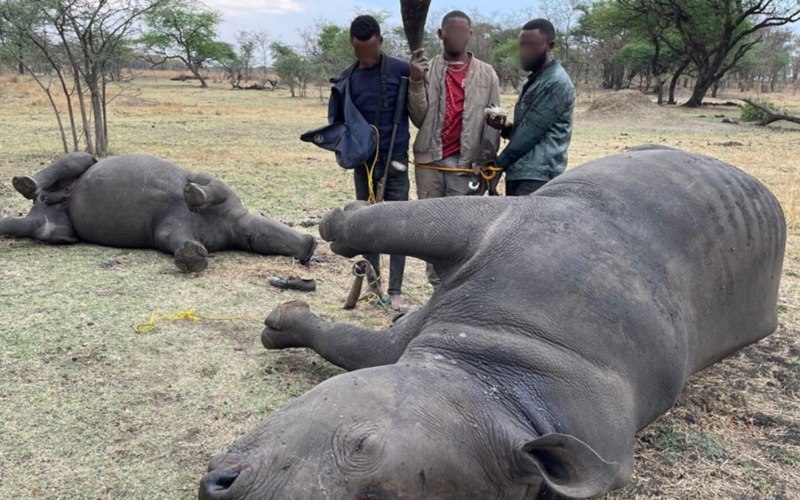
Interpol’s Operation Thunder 2025 seized thousands of protected plants, animals and timber across 134 countries, exposing global wildlife crime networks and rising trafficking in bushmeat, marine species and exotic arthropods.
An INTERPOL-led operation carried out between September 15 and October 15 resulted in the seizure of 4,640 protected plants, animals, and timber products across 134 countries, the organisation has announced.
Dubbed "Operation Thunder 2025" and coordinated in conjunction with the World Customs Organisation (WCO), the operation sought to intercept and seize illegally traded wildlife and forestry commodities across the global supply chain and identify, disrupt and dismantle criminal networks.
More To Read
- Nairobi concludes EU maritime security week with calls for increased cooperation among partners
- KDF denies allegations of methamphetamine theft in massive 1,024kg seizure off Kenyan coast
- DCI boss Mohamed Amin elected INTERPOL delegate for Africa at General Assembly
- Why are so few environmental criminals on Interpol’s ‘most wanted' list?
- Interpol flags online advertisements offering costly crossings into Europe
- Report links corrupt officials to rising criminal networks in Kenya
"This record number of seizures included tens of thousands of protected animals and plants and tens of thousands of cubic metres of illegally logged timber, as well as more than 30 tonnes of species classified as endangered under the Convention on International Trade in Endangered Species of Wild Fauna and Flora (CITES)," said INTERPOL in a statement.
While live animal seizures reached a record high this year, driven largely by demand for exotic pets, most wildlife trafficking involved animal remains, parts and derivatives, often used in traditional medicine or speciality foods.
"These syndicates target vulnerable species, undermine the rule of law and endanger communities worldwide. Recognising these deeply interconnected crime threats, INTERPOL is committed to strengthening global policing responses, dismantling the entire ecosystem of illicit activity and protecting our planet's shared natural and human heritage," the organisation's Secretary General Valdecy Urquiza said.
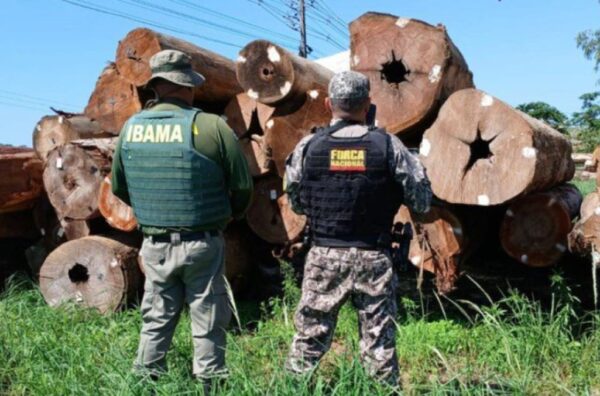 Brazilian authorities seize illegal timber. (Photo: Interpol)
Over the period, INTERPOL issued 69 Notices during the tactical phase (11 Red, 11 Purple and 47 Blue) to support the identification, tracking and arrest of potential suspects identified in preliminary investigations.
The organisation estimates that the annual value of wildlife crime is $20 billion (Sh2.5 trillion), but notes that the clandestine nature of the trade suggests that the real figure is likely much higher.
"Belgian authorities intercepted primate meat, Kenyan officials seized over 400 kilograms of giraffe meat, and Tanzanian law enforcement recovered zebra and antelope meat and skins valued at approximately $10,000 (Sh1.3 million). Globally, a record 5.8 tonnes of bushmeat was seized, with a notable increase in cases from Africa into Europe," the statement adds.
As a result of the operation, Tanzanian law enforcement and CITES seized over 100 ivory tusks and pieces worth $415,000 (53.2 million)and over 140 hippopotamus teeth worth $40,000 (Sh5.1 million), while South African authorities arrested 24 suspects and seized protected succulents, live pangolins and over 17,000 abalone (sea snails), as well as unlicensed firearms and ammunition.
INTERPOL noted that this year, enforcement actions have also uncovered an increase in the trafficking of marine species, with more than 245 tonnes of protected marine wildlife seized worldwide, including 4,000 pieces of shark fins.
"While iconic large mammals often dominate headlines in the fight against environmental crime, growing threats also include the trade of smaller species and plants," Interpol adds.
For instance, "Operation Thunder 2025" revealed a sharp rise in the trafficking of exotic arthropods. Nearly 10,500 butterflies, spiders and insects, many protected under CITES, were seized around the world.
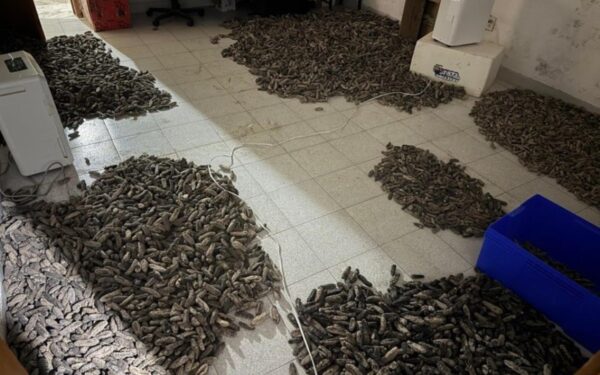 Sea cucumbers are considered a luxury food product and are used in traditional medicines in some regions. (Photo: Interpol)
Though tiny in size, these creatures play vital ecological roles. Their removal destabilises food chains and introduces invasive species or diseases, posing serious biosecurity and public health risks.
Meanwhile, illegal plant trade also reached record levels in 2025, with over 10 tonnes of live plants and plant derivatives confiscated, driven by demand in horticultural and collector markets.
In 2025, illicit timber seizures were significant, with more than 32,000 cubic metres and 14,000 pieces reported by countries. Illegal logging, which has economic, social and environmental impact, is estimated to account for 15-30 per cent of all timber traded globally.
INTERPOL stated that the intelligence collected during the operation will help map global criminal networks, enabling law enforcement agencies worldwide to refine their strategies, anticipate emerging criminal tactics and disrupt illicit supply chain activity.
Top Stories Today